/
/
608445

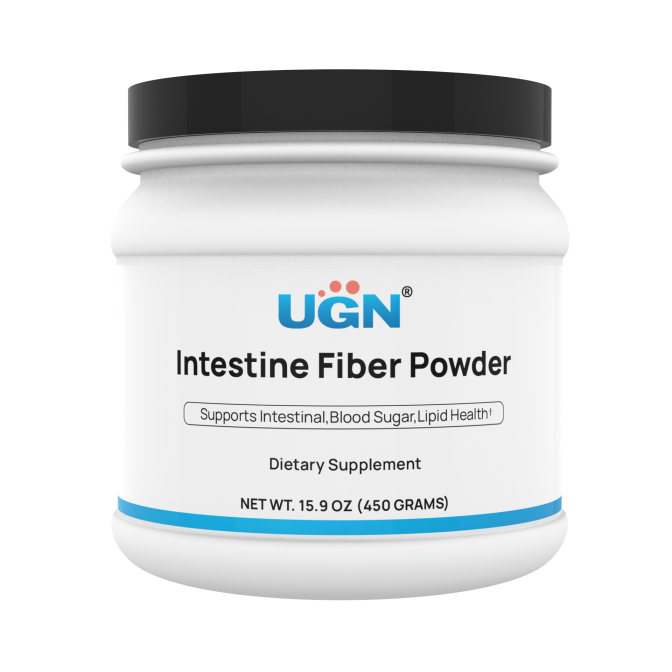
Occasional constipation is a common condition affecting 15-20% of the United States population. It can be caused by stress, dehydration, and factors related to diet and lifestyle choices. The prevalence of refined sugars and carbohydrates and the low presence of fiber in the Western diet have been linked to the slowing of bowel transit time and the alteration of the colonic environment. Dietary fiber is the indigestible part of plant foods that makes stool soft and thus enables smooth bowel movements, prevents occasional constipation and promotes healthy gastrointestinal (GI) microflora balance.
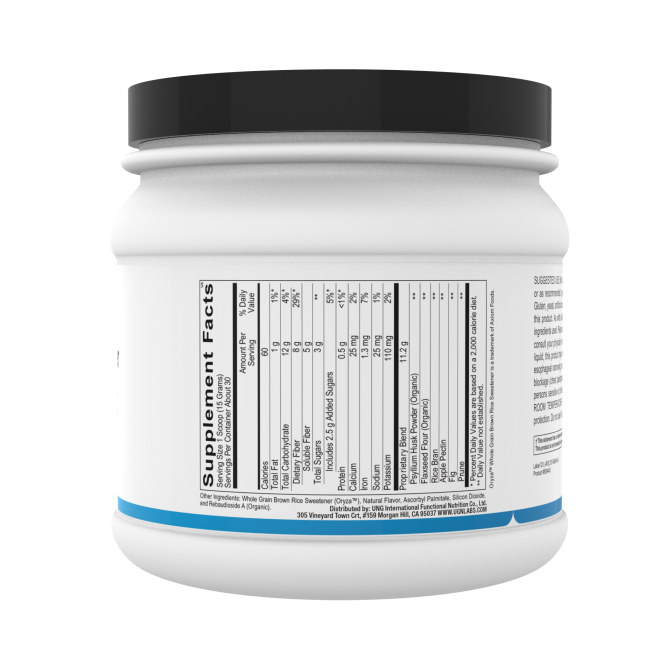
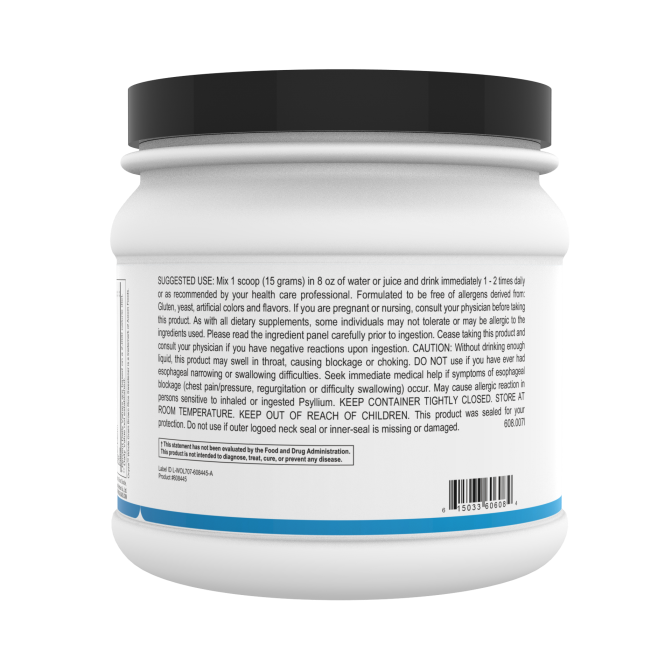
Intestine Fiber Powder is a natural fiber supplement containing a balanced ratio of soluble and insoluble fiber to help with occasional constipation and maintain long term bowel regularity and health. The main ingredient in Intestine Fiber Powder psyllium seed husks, is one of the most widely used fibers in natural bulk laxatives; both the psyllium seeds and husks used in Intestine Fiber Powder are 100% organic and free of the contaminants often found in other sources of psyllium. In addition to psyllium,Intestine Fiber Powder includes rice bran for its glycemic balancing effects and pectin, a soluble fiber found in apples. Fig fruit and prune are also included because they contain natural compounds which act as mild colonic stimulants to relieve symptoms of occasional constipation. Fiber Plus Powder contains 9 g of dietary fiber per serving and has a pleasant taste.
Psyllium Husks and Seeds
Several clinical trials have shown psyllium to be superior to other laxatives. A systematic review found psyllium husk to improve overall bowel regularity more effectively than lactulose. Psyllium has been found to be effective at increasing stool output and was found to improve the symptoms of occasional constipation increasing abdominal comfort and a sense of evacuation completeness, while reducing defecation effort. A randomized controlled trial found psyllium to have a significant effect among those with bowel irregularity and discomfort. After three months, symptom severity in the psyllium group was reduced by 90 points, compared with 49 in the placebo group. The laxative effect and gut-stimulatory effect of psyllium has been purported to be facilitated partially by muscarinic and 5-HT(4) receptor activation, which complements the laxative effect of psyllium’s fiber content. In addition, studies have also found that a 15 g dose of psyllium given 3 times per day before meals promotes healthy blood sugar and blood lipid levels.
Rice Bran
In one animal study, giving 10 g per day of rice bran, including water soluble rice bran and rice bran fiber concentrates, resulted in significantly enhanced blood sugar balance and fasting blood sugar and lipid levels were maintained in the normal range. The extracts of rice bran have also been found to support cardiovascular health, a balanced inflammatory response, and a healthy colonic environment.
Apple Pectin
A meta-analysis of randomized controlled trials showed consumption of several grams a day of pectin promotes healthy blood fats and maintains cholesterol levels already within a normal range. Liver fat concentrations have been found to be lower in rats fed diets containing apple pectin; fecal bile acid excretion was also found to be reduced, and sterol excretion significantly increased with the addition of pectin. Rats fed pectin rich diets also had lower levels of certain blood fats than controls.
Fig (Ficus carica)
The phytochemical properties of Fig’s laxative effect are due to the bulk of seeds and fibers. In a double-blind, randomized controlled study of 20 patients with occasional functional bowel irregularity, supplementation with fig fruit increased frequency, reduced defecation time, improved abdominal comfort and heightened a sense of complete evacuation. Fig fruit supplementation also improved the symptoms of occasional irregularity, and the fruit has also been shown to maintain bulk in those with loose stools.
Prune (Prunus domestica)
Prunes or dried prunes contain 6.1 g of dietary fiber per 100 g, as well as large amounts of phenolic compounds which may aid in their efficacy for occasional constipation and glycemic support. The phenolic compounds in prunes have been found to inhibit oxidation of certain blood fat components in vitro, and thus may protect against oxidative damage; In addition, prunes have a high concentration of potassium and have been shown to support blood pressure and cardiovascular health. Another study found that 50 g of prunes, two times a day were found to be effective in helping with occasional constipation in 40 subjects enrolled in an 8-week study compared to psyllium.
1. Mehmood, Aziz. Pharmacological basis for the medicinal use of psyllium husk (isphagula) in constipation and diarrhea. Dig Dis Sci. 2011; 56(5):1460-1471.
2. Kruis W, Forstmaier G, Scheurlen C, Stellaard F. Effect of diets low and high in refined sugars on gut transit, bile acid metabolism, and bacterial fermentation. Gut. 1991 Apr; 32(4):367-71.
3. Bijkerk, Wit Nd, al MJe. Soluble or insoluble fiber in irritable bowel syndrome in primary care? Randomized placebo controlled trial. BMJ. 2009; 339:b3154.
4. Sierra M. Garcia JJ, Fernandez N, Diez MJ, Calle AP. Therapeutic effects of psyllium in type 2 diabetic patients. Eur J Clin Nutr. 2002 Sep; 56(9):830-42.
5. Anderson JW, Allgood LD, TurnerJ, Oeltgen PR, Daggy BP. Effects of psyllium on glucose and serum lipid responses in men with type 2 diabetes and hypercholesterolemia. Am J Clin Nutr. 1999 Oct; 70(4):466-73.
6. Qureshi A, Sami S, Khan F. Effects of stabilized rice bran, its soluble and fiber fractions on blood glucose levels and serum lipid parameters in human diabetes mellitus types I and II. J Nutr Biochem. 2002;13(3):175-187.
7. Komiyama Y, Andoh A, Fujiwara D, Ohmae H, Araki Y, Fujiyama Y, Mitsuyama K, Kanauchi O. New prebiotics from rice bran ameliorate inflammation in murine colitis models through the modulation of intestinal homeostasis and the mucosal immune system. Scand J Gastroenterol. 2011 Jan; 46(1):40-52. Epub 2010 Aug 24.
8. Brouns F, Theuwissen E, Adam A. Cholesterol-lowering properties of different pectin types in mildly hyper cholesterolemic men and women. EJCN. 2011; doi:10.1038(21 December).
9 Aprikian O, Duclos V, Guyot S, et al. Apple pectin and a polyphenol-rich apple concentrate are more effective together than separately on cecal fermentations and plasma lipids in rats. J Nutr. Jun 2003;133(6):1860-1865.
10. Joseph B, Raj J. Pharmacognostic and phytochemical properties of Ficus carica Linn-an overview. Intl J Pharm Tech Research. 2011; 3(1):8-12.
11. Patil VV, Bhangale SC, Chaudhari KP, Kakade RT, Thakare VM, Bonde CG, Patil VR. Evaluation of the antidiarrheal activity of the plant extracts of Ficus species Zhong Xi Yi Jie He Xue Bao. 2012 Mar;10(3):347-52.
12. Stacewicz-Sapuntzakis, PE B, A E. Chemical composition and potential health effects of prunes: A functional food? Critical reviews in Food Science and Nutrition. 2001;41(4):251 -286.
13. Attaluri A, al RDe. Randomized clinical trial: dried plums (prunes) vs psyllium for constipation. Aliment Pharmacol Ther. 2011; 33(7):822-828.